Commercial Security Services in Ocoee
Ocoee commercial property is mostly bay doors, truck aprons and shared yards along the Western Beltway. Nexus Security Firm staffs gate posts and yard rounds for industrial and flex property in west Orange County.
Commercial Security Services in Ocoee
Northwest Orange County has been one of the fastest growing industrial submarkets in Central Florida, and Ocoee holds a good share of it. The 429 Business Center on Ocoee Apopka Road leases Class A warehouse space in bays starting around 6,000 square feet with front and rear loading. The Ocoee Business Park between Maguire Road and State Road 429 added more than 685,000 square feet of light industrial and flex office across four buildings. A speculative park of roughly 650,000 square feet went up where State Road 429 meets Florida's Turnpike (GrowthSpotter). The city itself had 47,295 residents at the 2020 census (US Census Bureau), and its largest institutional employer is a 216 bed hospital run by Orlando Health (Orlando Health).
What makes this a distinct security market is the tenancy. A single tenant distribution building has one operator, one gate policy and one set of hours. An Ocoee flex park has fifteen or twenty tenants behind one drive: contractors with vans and material, distributors, service firms, light manufacturers and back office space stacked above a bay. They keep different hours, they all use the same yard, and nobody among them owns the perimeter.
The second feature is emptiness. There is no restaurant row, no hotel and no residential street overlooking the bay line, so from about seven at night until the first van arrives there is nothing on these properties but property. Any presence at all is the presence you bought.
Small bay flex, many tenants and one shared yard
A multi tenant flex park is a long building with roll up doors at grade and a paved apron in front of them, repeated three or four times across a site. The exposure is spread thin along that line. Vans and box trucks are parked overnight with tools in them, material is staged behind a tenant bay because the unit is full, trailers sit on the apron between pickups, and a copper or cable delivery arrives the day before the crew needs it.
A post here runs the bay line on foot. The officer covers every roll up door and man door along each building, walks behind the buildings where the fence meets the tree line, checks the trailers and parked vehicles, looks at the gates and the sections of fence that have been cut before, and logs anything left outside a unit. Doing it on foot is the point: a drive down the apron tells you that the doors look closed and nothing else.
A gate post and a yard round are different purchases
A gate post is a person at the entry controlling who comes in. It suits a park or a yard where traffic matters during working hours: checking drivers and vendors against an expected list, recording the carrier, the trailer and the time in and out, directing trucks to the right bay, and keeping a record of which tenant received what. That record is often the whole value, because in a shared yard the question after something disappears is who was on the property.
A yard round is a person covering ground when nobody is there. It suits the overnight, the weekend and the holiday shutdown, and it works on the bay line, the fence and the apron, away from the gate. Most Ocoee properties need one or the other, and a few need both at different hours. We will say which at the walkthrough, and we will say when a patrol pattern with several checks a night covers your exposure for less than a continuous post would.
The beltway at the door cuts both ways
Ocoee industrial property exists because of the interchange. State Road 429, Florida's Turnpike, Silver Star Road and the roads into the Apopka corridor put a distribution tenant minutes from the rest of the state, which is the reason the leases get signed. The same geometry means a vehicle leaving a yard at two in the morning is on a limited access highway before anyone has finished reading a notification.
That argues for presence at the hours the property is exposed and against relying on a record of something nobody pursued. It also changes what the officer is watching for on the perimeter: the fence and the doors and the access points onto the surrounding roads, the stretch of frontage where a vehicle can pull off unobserved, and the construction traffic from whichever spec building is going up next door. Guarding that job site is a separate arrangement with its contractor; the post covers the edge where it touches your leased ground.
What Ocoee coverage costs and who pays for it
Rates follow the Central Florida band, about $24 to $34 an hour unarmed and $32 to $46 armed, on bill rates of 1.5x to 2x the officer wage with roughly 70% reaching the officer and about 10% covering indirect cost (Belfry Software, 2026). Overnight hours and short weekend shifts sit at the top. A continuous overnight schedule across a full park is one of the steadier things to staff and prices accordingly.
The question that decides an Ocoee budget is who is buying. A landlord covering a whole park spreads one officer across every tenancy and the cost per unit is small. A single tenant buying its own coverage pays for a whole post and gets an officer whose attention is on one bay line. Where several tenants in one park each have material or vehicles worth covering, the sensible move is for the landlord or the association to buy once. Over on the commercial strip toward Maguire Road and the hospital the calculation is different again, and those properties usually buy a short evening post covering the last customers and the close.
The bay line after the last van leaves
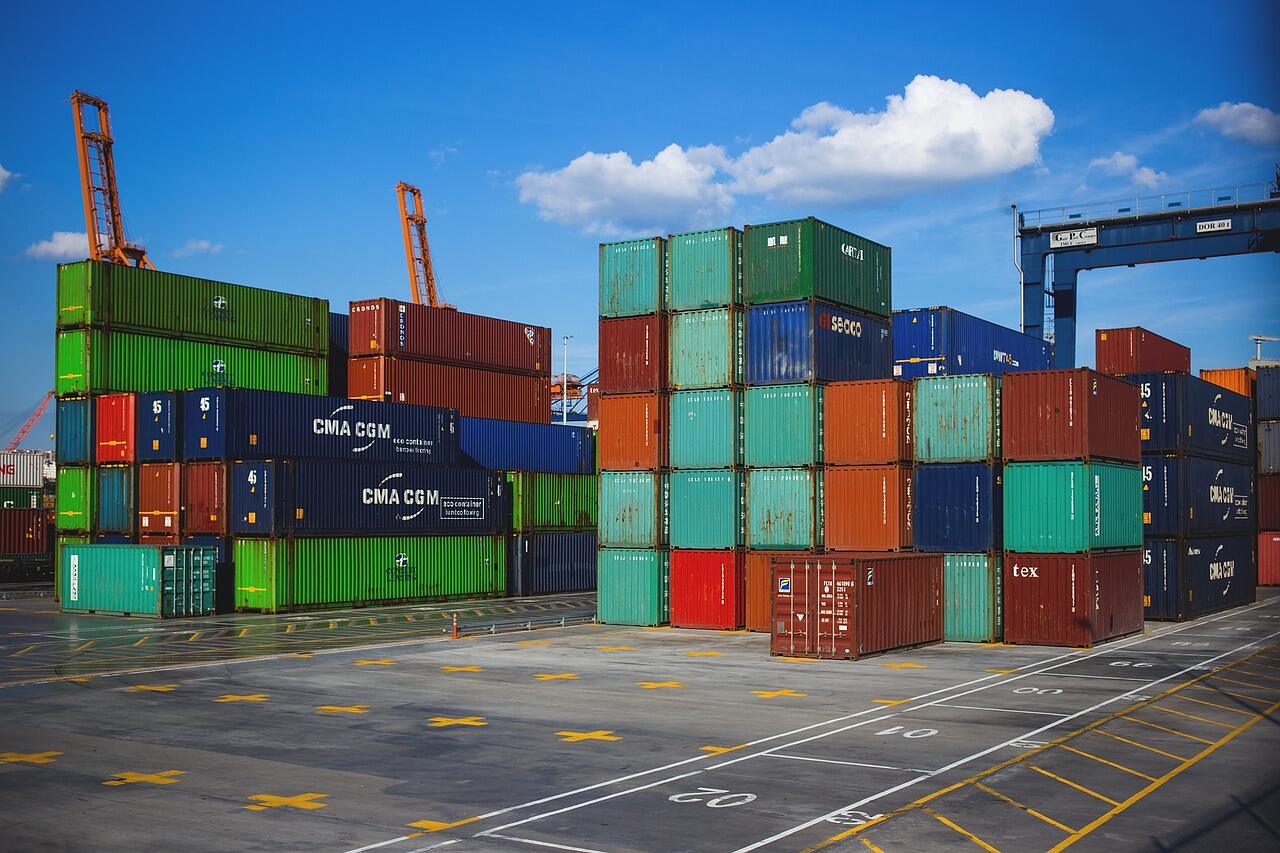
An Ocoee round is walked along the apron with the roll up doors on one side and the yard lights behind. The officer tries each man door, looks at the seals and padlocks on the trailers, walks the gap behind the buildings where the fence runs into the tree line, checks the gate chain, and writes down the vehicles that have been parked in the same place since Friday. Findings go into the shift log with times attached and reach the landlord or the tenant who bought the post, which is how a pattern along a quarter mile of building becomes something anyone can see.
Why Ocoee landlords and tenants keep coverage
The round reaches the part of the yard where things happen
The complaint that recurs in this trade is coverage that never got to the place it was needed, including a contractor who had a job box opened while security was on the property. An Ocoee post is written as a route with the back fence, the tree line, the trailer apron and every man door named in it, walked on foot, with timed stops. What the client receives is a record showing where the officer went and when, which is the only way to know whether the coverage bought is the coverage delivered.
Every round is logged with timed stops, and the log goes to the client.
A licensed agency, with the paperwork a landlord needs
Industrial landlords and their insurers ask for credentials before an officer is on site. Our agency license is FDACS Class B number B 1900066, held by Nexus Security Firm and open to inspection on the state lookup, and we carry general liability and workers compensation with certificates issued to the client. Officers are individually licensed at Class D, a credential that takes 40 hours of FDACS approved training, and armed officers hold a Class G too. All of it is checkable before a shift is scheduled and at any point afterward.
FDACS Class B agency license B 1900066, plus general liability and workers compensation certificates.
We say when patrol checks beat a standing post
A large yard with low overnight activity does not always justify a person standing on it for nine hours. Several checks a night on an irregular pattern can cover the same property for a fraction of the cost, and where that is the better answer we will say so and price it. Where the yard holds trailers, vehicles and material that a single visit would miss, the standing post is worth the difference. The comparison gets shown in the quote and the choice stays yours.
Unarmed posts in Central Florida sit around $24 to $34 an hour, and patrol prices on route and check frequency.
A typical Ocoee call
The situation: A common call comes from the manager of a flex park off Ocoee Apopka Road with four buildings and around twenty tenants. Two contractor tenants have had vans opened overnight in the last month, material staged behind a bay went missing over a weekend, a section of the rear fence has been cut and repaired twice, and the yard has no presence at all between the last tenant leaving and the first arriving.
What gets done: A supervisor walks the park with the manager: every bay line, the aprons, the trailer positions, the rear fence where it meets the tree line, both gates and the frontage onto the road. The post is written as an overnight yard shift with foot rounds on an irregular pattern, each roll up and man door checked, trailers and parked vehicles inspected, the cut section of fence walked on every round, and a logged list of anything left outside a unit. Post orders name the manager to call, what gets reported to individual tenants, and when Ocoee police are called instead.
How it turns out: The yard has a uniformed presence through the hours it was empty, the tenants with vans get a nightly record of their vehicles being checked, the rear fence gets walked on every round, and the manager can show a dated log to tenants and to an insurer. The supervisor attends the post across the rotation, and dispatch is staffed at the hours the officer is on the ground.
Ocoee industrial security questions
What landlords and tenants in west Orange County flex parks ask on a first call.
Call (407) 706-3431Other areas we hold posts
Properties in the surrounding submarkets are covered by the same team, which matters when a portfolio spans more than one of them.