Warehouse and Distribution Security in Orlando
Nexus Security Firm staffs gates, docks and trailer yards across the Orlando industrial corridors with licensed officers who log every vehicle that moves. Dispatch is staffed 24 hours a day, every day.
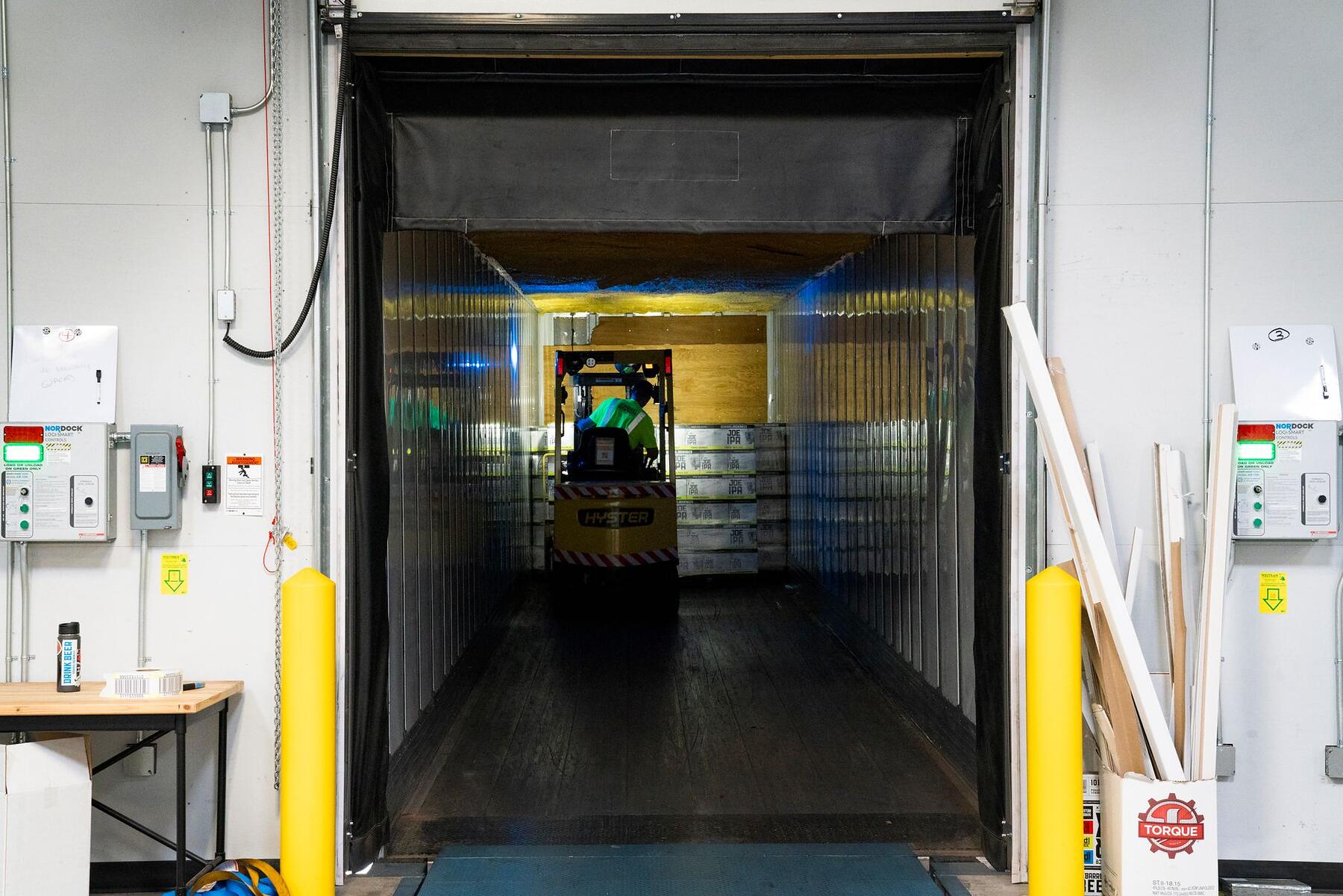
What a warehouse post covers from gate to dock
A distribution post is built around traffic control and the record it produces. The officer controls the gate, checks driver identity and the delivery or collection paperwork against what the site is expecting, directs the vehicle to the right door, logs the arrival and the departure, and confirms what left on the trailer. On a site with contractors and agency labor coming through, the same log covers who is on the property at any hour.
The second half of the job is the yard and the building line. Officers walk the trailer rows, check kingpin locks and seals where the site uses them, cover the rear fence line and the empty dock doors, and look at the places that are quiet: the container store, the side yard where returns are staged, the corner nobody drives past.
Overnight, the post becomes the property presence. The officer walks the building, confirms doors and gates are secured, and calls Orlando police with a live account when something is happening. What a site gets in the morning is a written record of the night, and that record is what an operations manager uses when something is short.
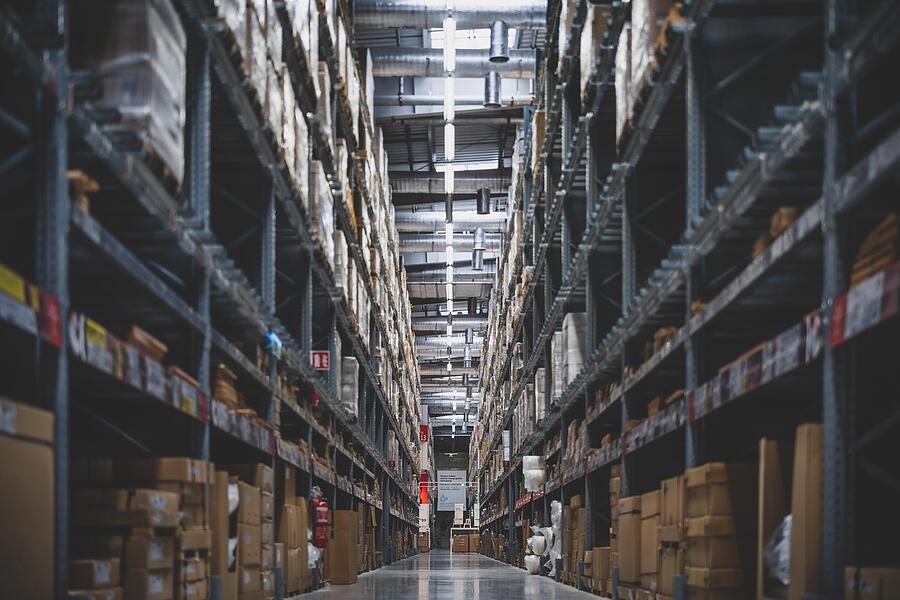
Who buys warehouse coverage in Orlando
Third party logistics operators, distributors and manufacturers with a yard make up most of this list, along with landlords who own industrial parks and lease multiple units. The calls fall into three shapes.
The first is inventory loss nobody can locate. Product goes missing between the dock and the truck, the paperwork balances, and an operations manager needs a record of who was on the property and when. A gate post produces that record from day one, and the effect on internal loss is often visible before the first month ends.
The second is the empty hours. The building runs until the last outbound at 7pm and starts again at 5am, with loaded trailers on the apron through the night. The third is a demand from a customer, an insurer or a broker for controlled access to a facility handling their freight. Retail supply chains bring their own pressure: retailers reported a combined 19% increase in theft incidents from 2024, and 66% report transnational organized retail crime involvement (NRF, The Impact of Retail Theft and Violence 2025), which reaches back into the distribution network that feeds them.
Why coverage fails on industrial property, and how the post is written around it
Coverage fails where it does not reach. Contractors describe a job box broken into with security on the property, which is the plainest reminder that a patrol only protects the ground it covers. On a large yard, a tour that takes twenty minutes leaves a forty minute window somewhere, so the post orders set the rotation, the sequence and the variation in it.
The people who work these properties are equally direct about hardening. Fencing gets cut and climbed, and thieves work around obstacles instead of through them, so the advice that repeats is hardened storage for anything portable: a container, a secure cage, product off the yard and behind steel overnight. An officer covering a yard where the valuable stock is locked down is doing a job that can succeed.
Human presence also changes what police receive. A signal of unknown origin is one thing; an officer on the ground describing what is happening, how many people, which direction and what vehicle, is a different call for the dispatcher to prioritize. That is the case for a person on the property rather than more equipment on the wall, and it is the part of the offer we can make, since Nexus Security Firm performs no installation, service, design or remote monitoring of alarm, camera or access control systems.
Warehouse posts: armed status follows the cargo and the hours
Most gate and dock posts are unarmed. The work is traffic control, identity checks, documentation and presence, and an unarmed officer with a Florida Class D license and 40 hours of FDACS approved training (FDACS Division of Licensing) does it well.
Armed coverage gets serious consideration on high value cargo, controlled substances, electronics and pharmaceutical freight, on sites with a documented history of armed incidents, and on isolated overnight posts where an officer works alone on a dark property with no other staff on site. An armed officer adds a Class G license with 4 hours of firearms requalification each year of the two year cycle (FDACS Division of Licensing) and bills roughly $8 to $12 an hour above unarmed.
Officers working these posts are pragmatic about it: arming should follow the risk at that yard, and on a low risk site the liability is a real cost. We will tell you when your cargo profile does not support the armed rate.
What a warehouse post costs in Central Florida
Unarmed warehouse coverage runs about $24 to $34 an hour and armed about $32 to $46, and the shift pattern sets the annual number. A single overnight post covering 12 hours, seven nights, costs roughly twice a five night pattern, so mapping the loss and the traffic before buying hours is the single best cost decision available.
The rate is built the same way it is everywhere: Florida officer wages of $14 to $18 an hour unarmed and $18 to $26 armed (ZipRecruiter, Salary.com and Indeed, August 2026), bill rates at 1.5x to 2x the wage, roughly 70% of the rate to the officer and about 10% to indirect cost (Belfry Software, 2026), with the balance covering general liability and workers compensation insurance, supervision and equipment.
Industrial specifics move the number: a gate post that runs through a peak season, weekend outbound schedules, a yard large enough to need a vehicle, forklift or hi vis requirements, a bilingual officer for a mixed driver population, and short notice cover during a strike week or a peak. Where the traffic is concentrated in a few hours, a staffed gate for those hours with patrol either side often costs less than a full standing post.
What the Orlando industrial map changes
Orlando distribution property is spread thin, and the spacing matters. The corridors along Orange Blossom Trail, the east side around Alafaya and the 417, the Taft and McCoy area near the airport, and the Sanford and Apopka industrial pockets all sit with long dark frontages and low overnight traffic, which is a different environment from a dense industrial city where the next building has people in it.
The consumer economy on top of it is unusually large. Orlando hosted 76.7 million visitors in 2025 (Visit Orlando), and the hospitality, attraction and convention trade behind that runs on distributed goods: food and beverage, uniforms, merchandise, equipment. The convention center alone works through roughly 200 events and more than 2 million attendees a year (OCCC / Orange County), which shows up as short notice inbound and outbound freight for show contractors during a build week.
Hurricane season adds the annual scramble. Between June and November a site may need officers during a shutdown, a power outage or a post storm period when doors will not secure and the yard is full of stock that was moved inland, and those are short notice posts at the top of the band.
Posts often combined at one property
These are the posts most often written into the same property agreement.
Standing up a gate or yard post
Four steps to get an officer on the gate, with the traffic rules agreed in writing beforehand.
-
Describe the site and the traffic
Building size, yard layout, inbound and outbound schedule, driver mix, contractor access and what has gone missing or gone wrong.
-
Walk the yard
A supervisor covers the gate, the docks, the trailer rows, the fence line, the container store and the blind corners, and times the tour to size the rotation.
-
Post orders and rate
Written orders cover the identity and paperwork check, who may be admitted, the tour sequence, the after hours contact tree and the rate with its factors.
-
Post goes live with supervision
Officers start on the agreed schedule, a supervisor attends across the rotation including nights, and the nightly record and any incidents come to your site contact.
Ready to start? Call (407) 706-3431 or Request Coverage.
Why Orlando operators use Nexus Security Firm
A record that stands up on Monday
Every vehicle, driver, contractor and visitor through the gate is logged, and the overnight period produces a written record. Operations managers use it when a load is short, insurers ask for it after a claim, and customers auditing a facility want to see it. Incidents are documented and the documentation goes to your site contact, which is the item buyers with a bad vendor history say they never received.
Vehicle and visitor logs held at the gate, incidents documented to the site contact.
Tours written to cover the gaps
The rotation is built from a timed walk of your yard, with sequence and variation set in the post orders. A tour that always runs the same way at the same time tells anyone watching exactly when the corner is empty. The lesson from the trade is that coverage only protects where the patrol reaches, and a job box gets opened on properties that have security standing somewhere else.
Tour route and variation timed on site before the post orders are written.
Licensed for guarding, and nothing we cannot hold
Nexus Security Firm holds FDACS Class B agency license B 1900066 under Florida Chapter 493, covering officers, patrol, gate posts and access control staffing, and the record is public on the FDACS lookup. We do not install, service, design or remotely monitor alarm, camera or access control equipment, because that sits under a separate Florida certification. What we sell is the person on your yard and the license behind them.
FDACS Class B agency license B 1900066, verifiable on the FDACS public lookup.
What Reddit Says About Warehouse Security in Orlando
People who work industrial property are specific about what stops theft. Hardened storage beats fencing: a container or a locked steel store keeps portable value out of reach, and the observation that repeats is that thieves work around obstacles instead of through them, so the perimeter buys time and the storage buys the outcome.
The value of live human verification comes up in the same threads. An activation a person on site can verify gets police dispatched as a burglary in progress instead of a routine signal, and that difference materially changes what shows up and how fast. An officer standing on the yard with a phone is the simplest form of verification available, and the account they give a dispatcher is better than any signal.
The cautionary story is the contractor whose job box was broken into while security was on site, which the thread treated as the obvious lesson it is: coverage only helps where the patrol reaches. Buyers are also warned about coverage gaps sold as coverage, where a site contracts a few hours a night and the break in lands in the hours nobody bought.
Those three findings are why a warehouse post here starts with a timed walk of the yard and a rotation written around the corners nobody drives past.
A typical distribution center call
The situation: A common call from an operations manager at a leased distribution building on the east side. Outbound finishes around 8pm and the first shift starts at 5am, with loaded trailers left on the apron overnight. Two pallets of small high value stock have gone unaccounted for in a quarter, a fence panel at the rear has been cut and patched twice, and a national customer has asked in writing what access control is in place at the facility.
What gets done: The property walk times a full yard tour at eighteen minutes and identifies two blind areas: the rear fence behind the trailer rows and the side yard where returns are staged. The scope written is a single unarmed overnight officer, 7pm to 5am, seven nights during peak and five nights off peak. The post orders set a varied rotation so the rear fence is covered at different points each night, a gate log for every vehicle and every contractor including the cleaning crew, a seal and door check at the start and end of shift, and a written handover to the 5am shift lead. The manager is also told what a post does not fix: the pallet discrepancy could be internal and a day shift gate log will show more about that than an overnight officer will.
How it turns out: The fence cutting stops in the first month, since the rear line is no longer predictable. The gate log ends up doing the heavier work: it answers the customer questionnaire, and the daytime version, added later at four hours a day across the peak inbound window, gives the manager the traffic record that shortages get resolved with. The overnight post drops to five nights when the peak ends, on our recommendation.
Warehouse security questions from Orlando operators
What logistics, distribution and industrial landlord clients ask before a post starts.
Call (407) 706-3431