Medical and Clinic Security in Orlando
Nexus Security Firm staffs medical offices, clinics and urgent care sites across Orange, Seminole and Osceola counties with licensed officers trained to hold a room without escalating it. Dispatch is staffed 24 hours a day, every day.
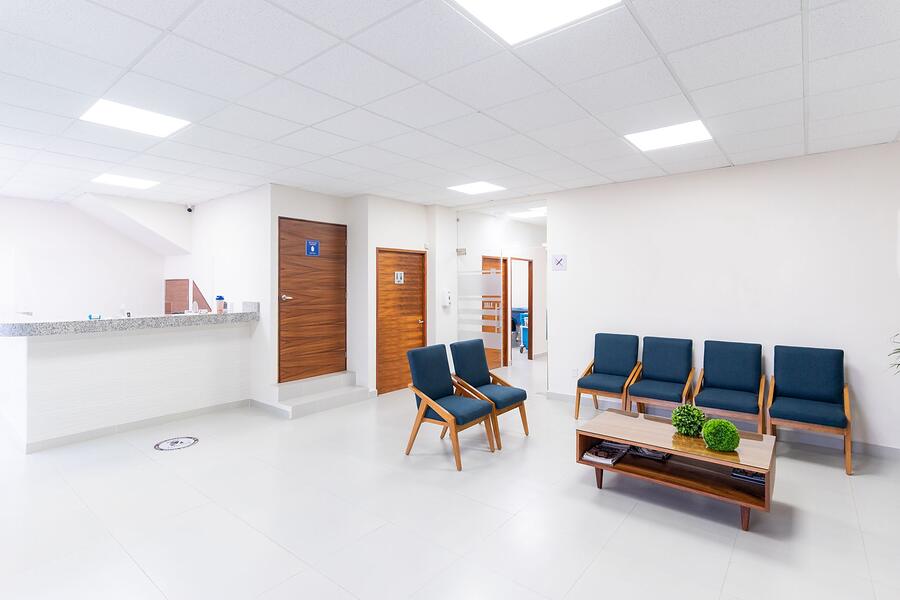
What an officer covers at a medical practice
Most of a medical post is the waiting room and the door. The officer is visible where patients and families wait, watches for the situation building in the corner, steps in when a front desk employee is being shouted at, keeps non patients out of clinical areas, and controls who comes in after hours or through a staff entrance. On a site with a pharmacy or controlled substances on the premises, the officer covers the area those are held in and the delivery that brings them.
The other half is the perimeter and the schedule edges. Staff arriving before dawn and leaving after dark want the lot walked, and an escort to the car is the single most requested item at practices that employ a lot of women working late clinics. Officers also cover the lot for vehicle break ins, for people loitering near an entrance, and for the person who is waiting for a specific employee.
Everything gets documented and the documentation goes to your practice contact. Incident records matter more in healthcare than in most property types, because a complaint, a claim or an employment issue can arrive months later and the practice needs the written account.

Which Orlando practices buy officer coverage
The calls come from four directions. Urgent care and walk in clinics call because the waiting room population is unfiltered and the wait times are long, which is the most reliable combination for a confrontation. Behavioral health and substance treatment practices call because their patient population includes people in crisis, and staff need someone whose job is the room while the clinician does the clinical work.
Specialty practices and surgical centers call for property and access reasons: controlled substances on site, expensive equipment, and staff leaving after a late list. Medical office buildings, where a landlord leases suites to several independent practices, call for the same reasons an office building does, plus the after hours traffic that clinics generate.
Geography drives some of it. The Medical City cluster in Lake Nona has concentrated healthcare development and the traffic that comes with it, and practices along the Colonial, Semoran and Kissimmee corridors sit on commercial strips where the lot is the exposure. Orlando also treats a visitor population: 76.7 million people came through in 2025 (Visit Orlando), and walk in clinics near the tourism corridor see a share of them.
The job in a clinic is de-escalation and documentation
What a medical post is bought for is the twenty minutes before something happens. A patient who has waited three hours, a family member who has been told bad news, a person in withdrawal, a dispute at the check in desk: those are the incidents, and the officer earns the contract by taking the temperature out of them without turning a clinic into a scene.
That shapes selection and post orders. Officers assigned to medical sites are chosen for composure and for the ability to speak to a distressed person, the post orders define what belongs to the officer and what belongs to the clinical team, and the escalation path names who is called and when police are called. Clinical decisions stay with clinicians, and a clear line there prevents the situation where an officer is drawn into something that is not a security matter.
The legal limits are the same as anywhere else in Florida and they are worth stating to staff before a post starts. A contracted officer can ask a person to leave, document the encounter and call Orlando police when the person refuses. Officers avoid physically holding a person who has not been violent, because of the unlawful detainment exposure that creates for the officer and the practice, and that is the instruction officers across the trade say they would refuse.
Medical posts run unarmed unless the site says otherwise
The default for a clinic is an unarmed officer, and most practices should stay there. A waiting room post is presence and de-escalation work, and an unarmed officer carrying a Florida Class D license with 40 hours of FDACS approved training (FDACS Division of Licensing) is the right instrument for it. Patients in distress and visible firearms are a poor combination, and a lot of practices have a view about what a weapon does to the room.
The conditions that move a medical post to armed are specific: controlled substances held in quantity, a documented history of armed incidents at the address, a behavioral health site with a violent incident record, or an isolated overnight post. An armed officer holds a Class G license requiring 4 hours of firearms requalification each year of the two year cycle (FDACS Division of Licensing) and bills roughly $8 to $12 an hour above unarmed.
Working officers are the most skeptical voices on arming a low risk post, arguing the added liability is not worth it, and in a healthcare setting that argument is stronger than usual. We will tell you when your site does not warrant the armed rate.
What clinic coverage costs in Central Florida
Unarmed medical posts run about $24 to $34 an hour and armed about $32 to $46, and for most practices the answer is a part shift rather than a full day. A clinic that opens at 8am and sees its problems between 3pm and close buys those hours, which is a far smaller number than full session coverage.
The rate build is the same across this trade: Florida officer wages of $14 to $18 an hour unarmed and $18 to $26 armed (ZipRecruiter, Salary.com and Indeed, August 2026), bill rates at 1.5x to 2x the wage, roughly 70% of the rate to the officer and about 10% to indirect cost (Belfry Software, 2026), with general liability and workers compensation insurance, supervision and training out of the balance.
Medical specifics that move the number: evening and weekend clinic hours, a bilingual requirement, which is common in Orlando and worth paying for at a practice with a large Spanish speaking patient population, CPR and first aid certification, and short notice cover for a single difficult appointment or a termination. A practice that needs an officer for one named appointment a week is staffing a short single shift, which prices at the top of the band.
Verifying a security agency before it works in a clinic
Ask for the agency license number first. Nexus Security Firm holds FDACS Class B agency license B 1900066, public on the FDACS Division of Licensing lookup, where the class, status and dates are shown. Officers hold their own Class D licenses, and armed officers hold a Class G, and both can be checked the same way.
For a healthcare site, add two questions. Ask for proof of general liability and workers compensation coverage, since an officer working alongside your staff creates exposure that needs to sit with the agency. Ask how incidents are documented and who receives them, because a practice facing a complaint months later needs the written record and the trade is full of contracts that produced none.
One further check applies if a vendor offers to supply equipment as part of the arrangement. Installing, servicing, designing or remotely monitoring alarm, camera and access control systems requires a Florida alarm system contractor certification, which is separate from a security agency license. Nexus Security Firm holds the guard agency license and supplies officers; equipment work belongs to a certified alarm contractor.
Posts often combined at one property
These are the posts most often written into the same property agreement.
Starting a medical site post
Four steps to an officer in your waiting room, with the boundaries between security and clinical staff written down first.
-
Describe the practice
Specialty, patient volume, session hours, what has happened, and whether controlled substances are held on site.
-
Walk the site
A supervisor sees the waiting room, the check in position, the clinical corridor, the staff entrance and the lot, at the time of day when the pressure is highest.
-
Post orders and rate
Written orders cover the officer role in a disturbance, the line between security and clinical staff, the escalation and police call points, escort arrangements, and the rate with its factors.
-
Post starts with supervision
The officer begins on the agreed schedule, a supervisor attends the post across the rotation, and incidents are documented and delivered to your practice contact.
Ready to start? Call (407) 706-3431 or Request Coverage.
Why Orlando practices use Nexus Security Firm
Composure chosen before anything else
Officers assigned to medical posts are selected for the ability to hold a room and talk to a distressed person, because that is where the work lives. A waiting room incident is usually twenty minutes of rising pressure that someone either defuses or does not. Post orders set the line between the officer and the clinical team so nobody improvises during the incident itself.
Post orders define the officer role and the escalation path before the first shift.
Documentation the practice can produce later
Incidents are documented and the documentation goes to your practice contact, which matters more in healthcare than almost anywhere else. A patient complaint, an insurance question or an employment issue can surface months after the event, and a practice with no written account is arguing from memory. Buyers who have left a security vendor name missing incident reports as the failure more often than any other.
Written incident records delivered to the practice contact.
A license you can check in two minutes
Nexus Security Firm holds FDACS Class B agency license B 1900066 under Florida Chapter 493, and the record is public on the FDACS lookup. Each officer carries a Class D license of their own, backed by 40 hours of FDACS approved training, with a Class G and 4 hours of annual firearms requalification behind any armed post (FDACS Division of Licensing). Ask every bidder for the agency number and for certificates of general liability and workers compensation coverage.
FDACS Class B agency license B 1900066.
What Reddit Says About Medical and Clinic Security in Orlando
Working officers are the most useful voices on medical posts, and they are consistent about arming. The common position across guard threads is that arming should follow the actual risk at the post, with several contributors saying the added liability is not worth it on a low risk site. That view runs against a lot of vendor marketing, and in a clinic setting it deserves weight.
The legal boundary threads are the other relevant material. Officers instructed to handcuff or detain non violent people describe near unanimous advice to refuse and to leave a company that insists, on unlawful detainment exposure. The sequence described as correct is to ask the person to leave and call police if they refuse, which is exactly the instruction a clinic should want in writing.
Property managers add the reporting problem, and it applies to clinical staff as much as to tenants. People see something and say nothing, sometimes for days, often through a worry about being identified. A staffed post is the low effort channel that changes that, because telling the officer in the room costs a receptionist nothing.
Post orders here are written against those three findings: unarmed unless the site argues otherwise, a documented boundary on what the officer does with a person who will not leave, and a named route for staff to report what they are seeing.
A common call from an Orlando clinic
The situation: A typical call from a practice manager at a multi provider walk in clinic on a commercial corridor. Waits run over two hours on weekday evenings, two front desk staff have had shouting incidents in the last quarter, one of them involving a patient who would not leave the lobby at close, and medical assistants finishing at 9pm have asked to be walked to their cars after a vehicle break in in the lot.
What gets done: The walk happens at 6pm, when the waiting room is at its worst, and the recommendation is narrower than the practice expected: one unarmed officer, 4pm to 9:30pm, Monday to Saturday. The post orders put the officer in sight of the waiting room and the check in desk, define what the officer does when a patient becomes loud with a staff member and who calls police, set an escort arrangement for every staff member leaving after dark, and add two lot walks per shift. The line between security and clinical staff is written explicitly so nobody is improvising when someone is in genuine distress rather than being aggressive. The practice is told that a morning post would buy hours with nothing in them.
How it turns out: Front desk turnover is the thing that changes first, because staff stop absorbing confrontations alone. Two incidents in the first quarter get documented in enough detail to support a trespass warning for a repeat visitor. The escorts continue and the lot stays quiet. The practice keeps the shorter shift rather than expanding it, since the evening hours were where the incidents were.
Medical office security questions
What practice managers and healthcare landlords ask before a clinic post starts.
Call (407) 706-3431